
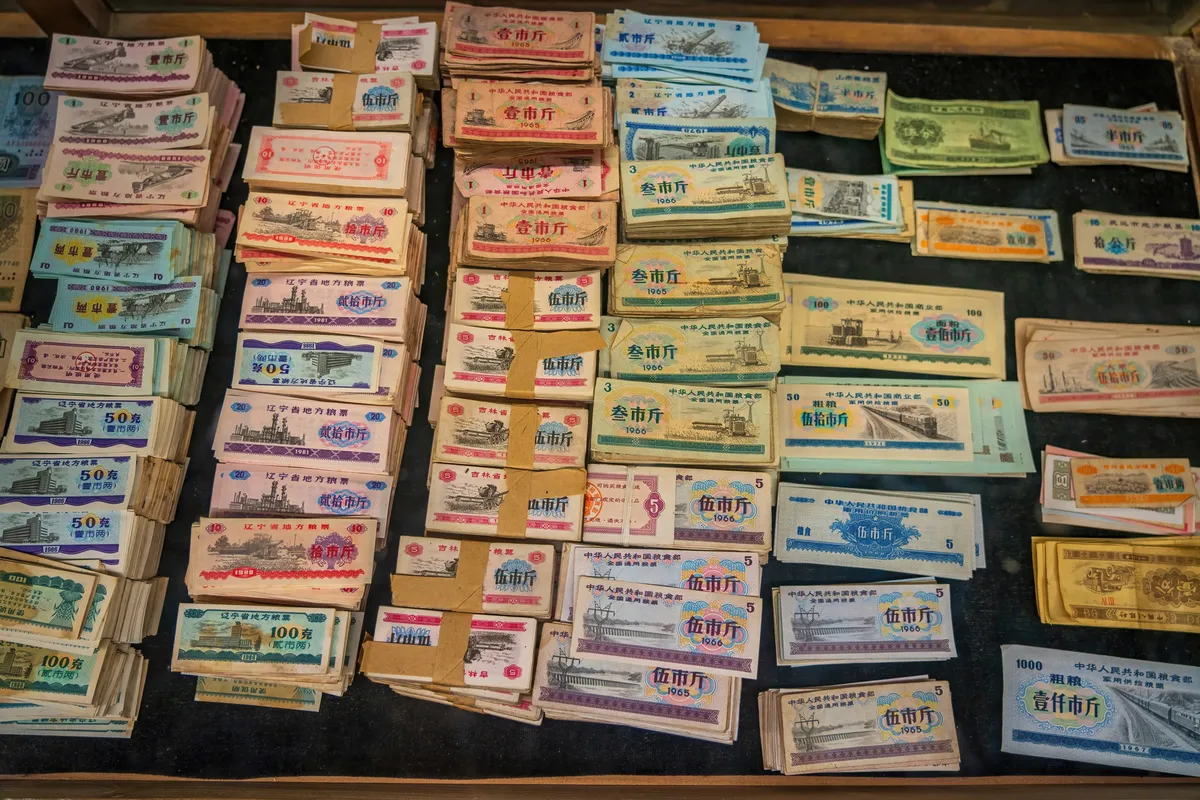
Most people stumble across old currency the same way, cleaning out a grandparent’s attic, sorting through an estate, or finding a forgotten envelope tucked inside a book. If you’ve been sitting on a stack of aged notes and wondering whether to sell old US bills in NYCthe short answer is yes, you probably should, but how you go about it matters enormously. The difference between a good deal and a great one often comes down to knowing what you actually have before you walk through anyone’s door.
Not Every Old Bill Is a Treasure, But Some Absolutely Are
Here’s the thing that surprises most first-timers: age alone doesn’t make a bill valuable. A worn, heavily circulated note from the 1920s might fetch only a few dollars over face value, while a crisp, well-preserved example from the same era could be worth hundreds, sometimes thousands, more. Condition is king in the world of vintage currency, and collectors pay serious premiums for it.
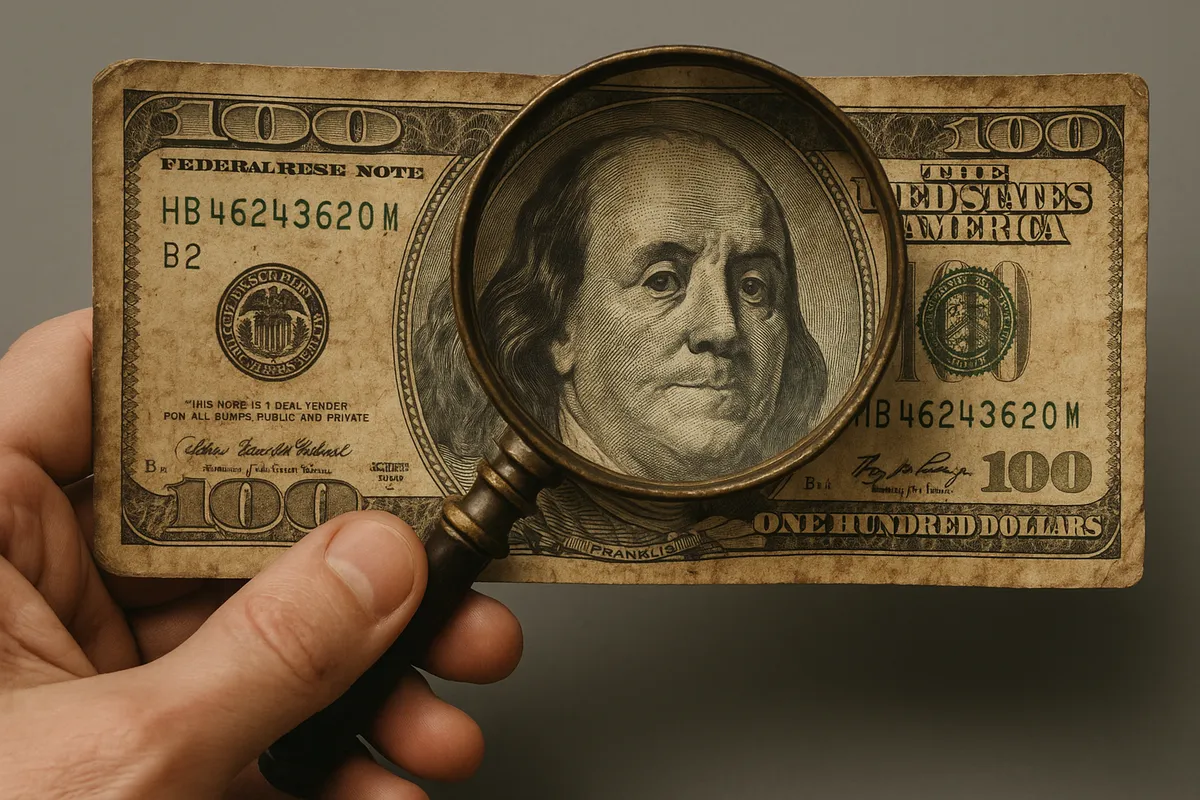
Beyond condition, a few specific factors push value significantly higher. Serial numbers matter more than most people realize. Low serial numbers, repeating digits, solid numbers (like 00000001 or 11111111), and radar notes, where the number reads the same forwards and backwards, all attract competitive bids from serious collectors. Star notes, which are replacement bills printed when originals are damaged during production, carry their own premium depending on the series and print run size.
Then there’s the denomination question. Large-denomination bills that the Federal Reserve stopped circulating decades ago are in a category of their own. If you happen to have a $1,000 bill or something even rarer sitting in a drawer, you’re not looking at face value, you’re looking at a collectible with real market demand. The same logic applies to $500 billswhich were officially removed from circulation in 1969 and have been climbing steadily in collector value ever since.
The Mistakes That Cost Sellers Real Money
Walking into the wrong buyer is the single biggest financial mistake people make with old currency. Banks won’t give you collector value, they’ll give you face value, full stop. Online auction platforms can work, but they come with fees, shipping risks, fraud exposure, and the very real possibility that your listing gets buried among thousands of others. Pawn shops are rarely equipped to properly grade or price vintage currency, and their offers tend to reflect that gap in expertise.
Cleaning bills is another costly error. It feels intuitive, a dirty note seems less valuable, so why not clean it up? Professional graders and experienced dealers can spot a cleaned note immediately, and it actually reduces value rather than improving it. Original surfaces, even with honest wear, are always preferred over anything that’s been tampered with.
People also tend to underestimate what they have because they assume rarity requires a dramatic story. It doesn’t. A relatively common series note in exceptional condition can outperform a rare note in poor shape. Many sellers have walked away from deals they later regretted because they accepted the first offer without getting a second opinion or doing any research beforehand. Customers who’ve worked with experienced dealers consistently say the same thing: they wish they had come in sooner and with more information in hand.
What NYC’s Currency Market Looks Like Right Now
New York City has always operated as a different kind of marketplace for collectibles, and vintage currency is no exception. The concentration of serious collectors, estate attorneys, auction houses, and private buyers here means there’s genuine competition for quality notes. That competition works in a seller’s favor, when multiple buyers want what you have, prices respond accordingly.
Demand for high-denomination discontinued bills has been particularly strong. Notes like the $5,000 bill and the legendary $10,000 bill are genuinely rare at this point, with surviving examples spread across private collections and institutions. When one surfaces in good condition, buyers move quickly. If you have one of these sitting somewhere, the time to act is not when you need the money, it’s now, while the market is actively seeking them.
Seasonal patterns also play a role. Estate liquidations tend to cluster around certain times of year, which affects supply and pricing. Understanding those shifts can make a meaningful difference in what you walk away with, something worth reading more about if you want to time your sale strategically.
How to Walk In Prepared and Walk Out Satisfied
The sellers who get the best results share a few common habits. They don’t clean, press, or store their notes in anything acidic before getting an appraisal. They bring everything they have, even notes they assume are worthless, because surprises happen more often than you’d think. And they choose a dealer with a track record, someone who has been doing this long enough to know the difference between a note that’s genuinely rare and one that just looks old.
At Currency Dealer NYCthe team brings decades of hands-on experience to every appraisal. Located in New York City and specializing specifically in vintage American currency, they offer the kind of informed, transparent evaluation that casual buyers simply can’t match. There’s no pressure, no guesswork, and no face-value lowballing.
If you’re ready to find out what your old notes are actually worth, or if you just want to understand what you have before making any decisions, reach out directly or check the FAQ page for answers to the most common questions sellers bring in. The information is free. The regret of selling without it isn’t.
Frequently Asked Questions
I found some old bills in my grandmother’s estate, do I really need to get them appraised before selling, or can I just look up the value online?
Online price guides can give you a rough ballpark, but they rarely account for the specific condition, serial number quirks, or print run details that actually move the needle on what a buyer will pay. A radar note or a star note in exceptional condition, for example, can be worth significantly more than a standard listing price suggests. Bringing everything in for a hands-on evaluation is the only way to know what you’re actually working with before you commit to a price.
My $500 bill looks pretty worn, is it still worth more than face value?
Yes, almost certainly, because $500 bills were pulled from circulation in 1969 and the collector market for them has been climbing steadily since then. That said, condition matters a great deal, a heavily worn example will bring considerably less than a crisp, well-preserved one from the same series. Even a circulated $500 bill will outperform face value, but getting a proper grading opinion tells you exactly where yours falls on that spectrum.
The bills I have are dirty and a little musty from being stored in an attic, should I clean them up before bringing them in?
No, and this is one of the more costly mistakes sellers make. Experienced dealers and professional graders can spot a cleaned note immediately, and cleaning actually reduces the value rather than improving it. Bring them in exactly as you found them, honest wear and original surfaces are always preferred over anything that’s been altered, even with good intentions.
Why shouldn’t I just take my old bills to my bank and exchange them for their face value?
Banks have no mechanism to pay collector value, they will give you exactly what the bill says on its face, nothing more. A $1,000 bill handed to a bank teller nets you $1,000; the same note sold through an experienced currency dealer who knows the current market could be worth substantially more depending on condition and demand. You’re not exchanging currency at that point, you’re selling a collectible, and those are two entirely different transactions.
I have a bill with a serial number where all the digits are the same, does that actually make it worth more, or is that just a myth?
It’s not a myth at all, solid serial numbers, where every digit repeats (like 77777777), are among the most actively sought after by serious collectors and consistently attract competitive offers. The article also flags radar notes, where the number reads the same forwards and backwards, as another category that carries a real premium. These aren’t minor details; they can be the difference between a note worth a few dollars over face value and one worth significantly more to the right buyer.
Leave a Reply