

Sell Old US Bills: The Emotional Journey from Heirlooms to Cash
There’s a moment that happens in almost every household at some point, someone opens a drawer, a safe, or an old shoebox and finds currency that hasn’t been in circulation for decades. The decision to sell old US bills is rarely just a financial one. It’s wrapped up in memory, family history, and a fair amount of uncertainty about what those bills are actually worth. If you’re sitting with that uncertainty right now, this article is for you.
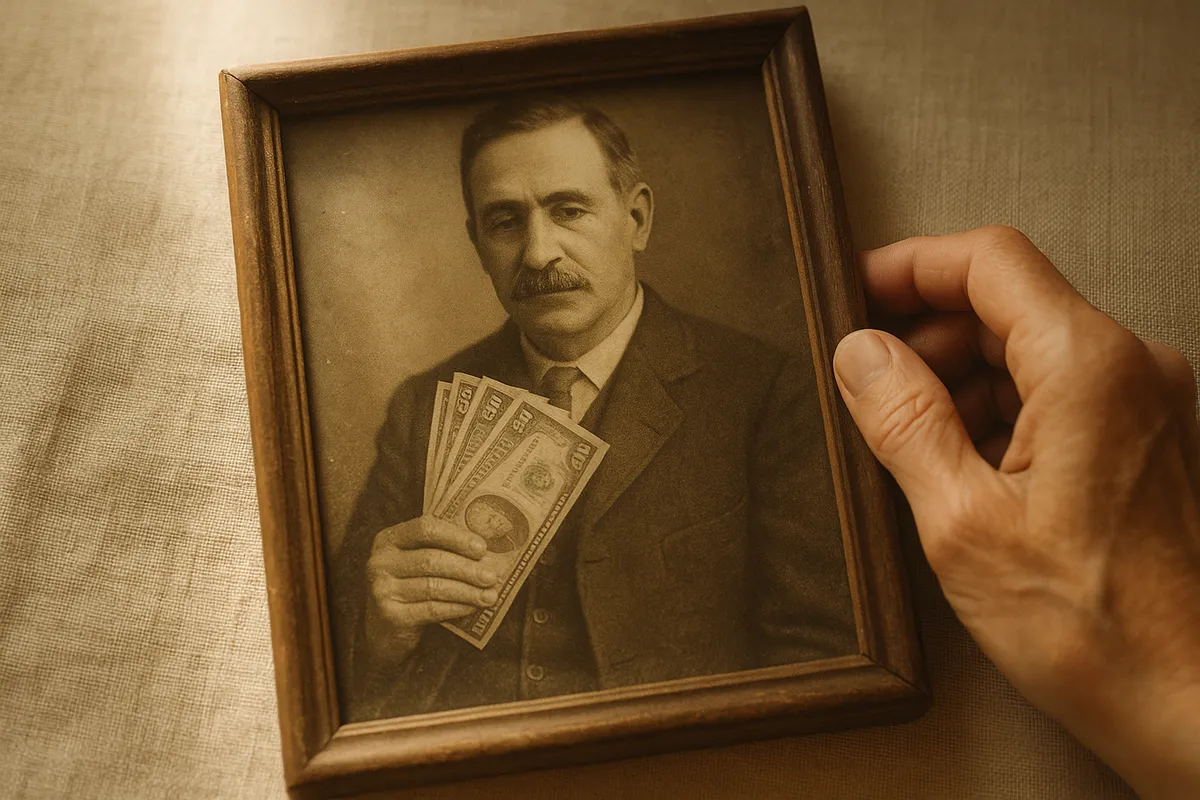
That Old Money Carries More Weight Than You Think
People tend to underestimate the emotional pull of inherited currency. A $500 bill tucked inside a grandfather’s Bible isn’t just a collectible, it’s a piece of someone’s life. The same goes for a $1,000 bill found inside an estate, or a stack of large-denomination notes passed down through generations of a family that lived through the Depression.
That emotional weight is real. But it can also cloud your judgment when it comes to making smart financial decisions. People hold onto currency for years, sometimes decades, out of sentiment, not strategy. And while there’s nothing wrong with that, it’s worth understanding that the collectible currency market doesn’t wait around. Condition matters. Demand shifts. What’s highly sought after today may face more competition from similar pieces next year.
The practical reality is this: if you’ve inherited old currency or found it during a cleanout, you’re holding something with genuine market value. The question isn’t whether to feel something about it, you will. The question is whether you’re making an informed choice about what to do next.
What Dealers Actually Look at When You Walk In
Most people assume that age is the primary driver of value. It’s not. A bill from 1880 in poor condition will almost always lose to a bill from 1928 in crisp, uncirculated condition. Here’s what experienced dealers actually focus on:
Serial numbers. Low serial numbers, repeating digits, and “radar” numbers (which read the same forwards and backwards) add meaningful premiums. A note with serial number 00000012 is worth considerably more than a standard example of the same denomination and year.
Condition and grading. The difference between a Fine and an Uncirculated grade can be hundreds, sometimes thousands, of dollars. Folds, stains, pinholes, and writing all reduce value. Professional grading from services like PCGS or PMG adds credibility and often increases what a buyer is willing to pay.
Denomination and series. Large denomination bills like the $5,000 note are extraordinarily rare in any condition. Even worn examples command serious attention. Meanwhile, certain series years and Federal Reserve districts carry premiums that most non-specialists wouldn’t know to look for.
Provenance. Where a bill came from can matter. Currency with documented history, tied to a known collection, a specific estate, or a notable figure, can carry added value. If you know the story behind your notes, share it. As explored in this look at the untold stories behind rare currencythat backstory isn’t just interesting, it can be financially meaningful.
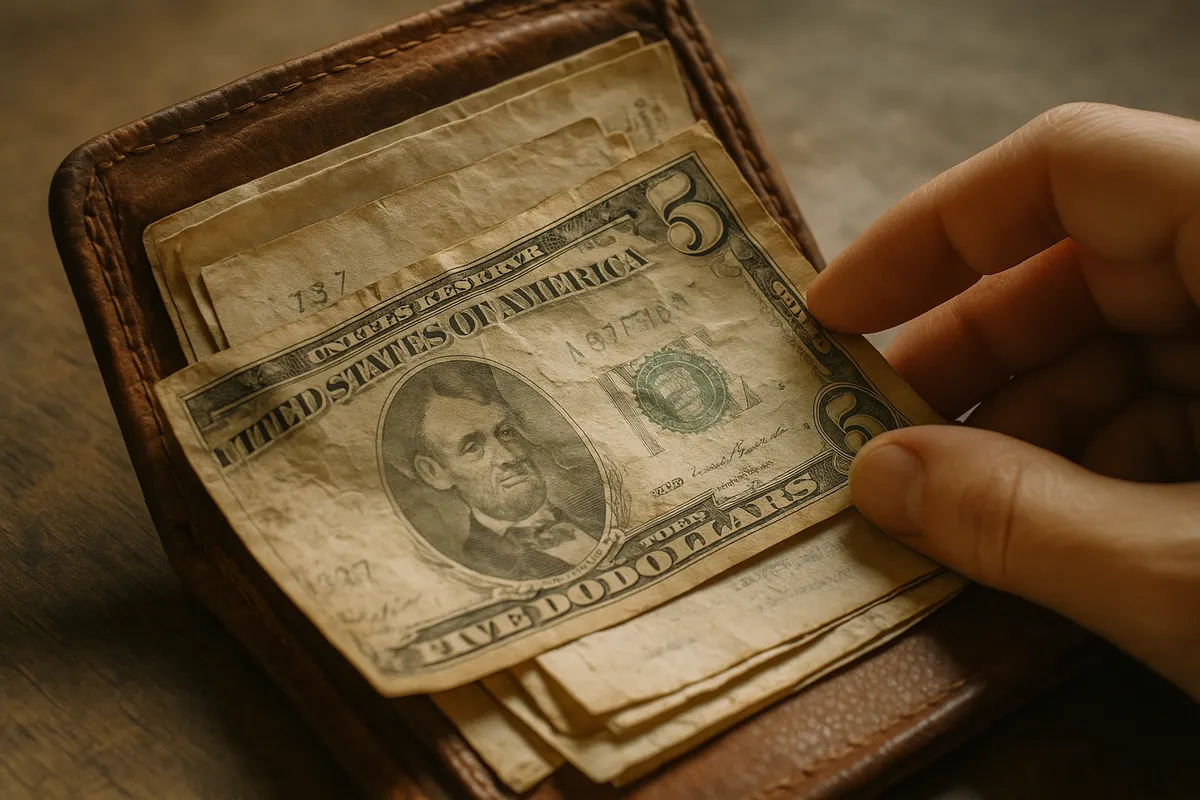
The Mistake That Costs People Real Money
The single most common mistake people make when liquidating inherited currency is going to the wrong buyer first. Banks won’t help you, they’ll simply exchange old legal tender at face value, which is almost never the right move for collectible notes. Online auction platforms can work, but they expose you to fees, fraud risk, and buyers who may not have the capital to pay what serious notes are worth.
Pawn shops are another trap. They’re generalists. A pawnbroker might look at a $500 bill and offer you a fraction of its collectible value simply because they don’t have the expertise, or the customer base, to move it at the right price.
What you want is a specialist. Someone who buys and sells currency every day, knows the current market, and has relationships with serious collectors. In NYC, that access exists, and it makes a real difference. Customers who’ve worked with an established local currency dealer consistently describe the experience as more transparent and more profitable than they expected, especially compared to the online-only route.
If you want to go in prepared, this guide to valuing family heirlooms is a solid starting point before you walk through any dealer’s door.
Letting Go Without Leaving Money Behind
There’s a version of this process that goes badly, where someone accepts the first offer they get, doesn’t know what they have, and walks away with far less than the market would have paid. And there’s a version that goes well, where someone takes a little time, gets the right eyes on their currency, and converts a shoebox find into a genuinely meaningful sum.
The difference usually comes down to one thing: who you talk to first.
If you’re in New York and you’re sitting on old currency, whether it’s a single large-denomination note or a full collection, the right move is to get a professional evaluation from someone who specializes in exactly this. Not a general antique dealer. Not an online form. A real conversation with someone who can look at what you have and tell you honestly what it’s worth today.
The emotional part of letting go of inherited money is yours to work through. But the financial part? That’s something a good dealer can make a lot easier. Reach out and find out what you’re actually holding before you make any decisions.
Frequently Asked Questions About Sell Old US Bills
Where can I sell old US bills in NYC?
In New York City, you can sell old US bills at several types of establishments, including currency dealers, coin and collectible shops, auction houses, and specialized numismatic dealers located throughout Manhattan, Brooklyn, and other boroughs. Many reputable dealers can be found in the Diamond District on 47th Street or at established coin shops in Midtown. It’s always a good idea to visit multiple buyers to compare offers before committing to a sale.
How do I know if my old US bill is worth more than its face value?
Certain features can make an old US bill significantly more valuable to collectors, including rare serial numbers (such as low numbers, repeating digits, or “radar” numbers), star notes, error bills, and bills from discontinued series like large-size currency printed before 1929. The condition of the bill, known as its grade, also plays a major role in determining its collector value. Bringing your bill to a certified currency dealer in NYC for a professional appraisal is the best way to get an accurate assessment of its worth.
Do I need any paperwork or ID to sell old US bills in NYC?
Most reputable currency dealers and coin shops in NYC will require you to present a valid government-issued photo ID, such as a driver’s license or passport, especially for transactions above a certain dollar amount, in compliance with local and federal regulations. Some dealers may also ask you to fill out a simple seller’s form to document the transaction for their records. It’s a good practice to bring any provenance information you have about the bills, such as where they came from or how long you’ve owned them, as this can sometimes increase buyer confidence and value.
What types of old US bills are most in demand among NYC collectors and dealers?
NYC dealers and collectors tend to show strong interest in large-size notes printed before 1929, Silver Certificates, Gold Certificates, National Bank Notes issued by New York-based banks, and Federal Reserve Notes from early series. Rare denominations like $500, $1,000, $5,000, and $10,000 bills are particularly sought after and can command very high prices in excellent condition. Error notes and bills with unique serial numbers also attract significant attention from serious collectors in the New York market.
How can I make sure I get a fair price when selling old US bills in NYC?
To ensure you receive a fair price, it’s strongly recommended that you get appraisals from at least two or three different dealers before agreeing to any sale, as offers can vary widely depending on the buyer’s inventory and expertise. You can also research recent auction results through platforms like Heritage Auctions or Stack’s Bowers to understand the current market value of your specific bills. Additionally, consulting the Standard Catalog of United States Paper Money or speaking with a member of the American Numismatic Association (ANA) can help you walk into any NYC dealer negotiation fully informed.
Leave a Reply