
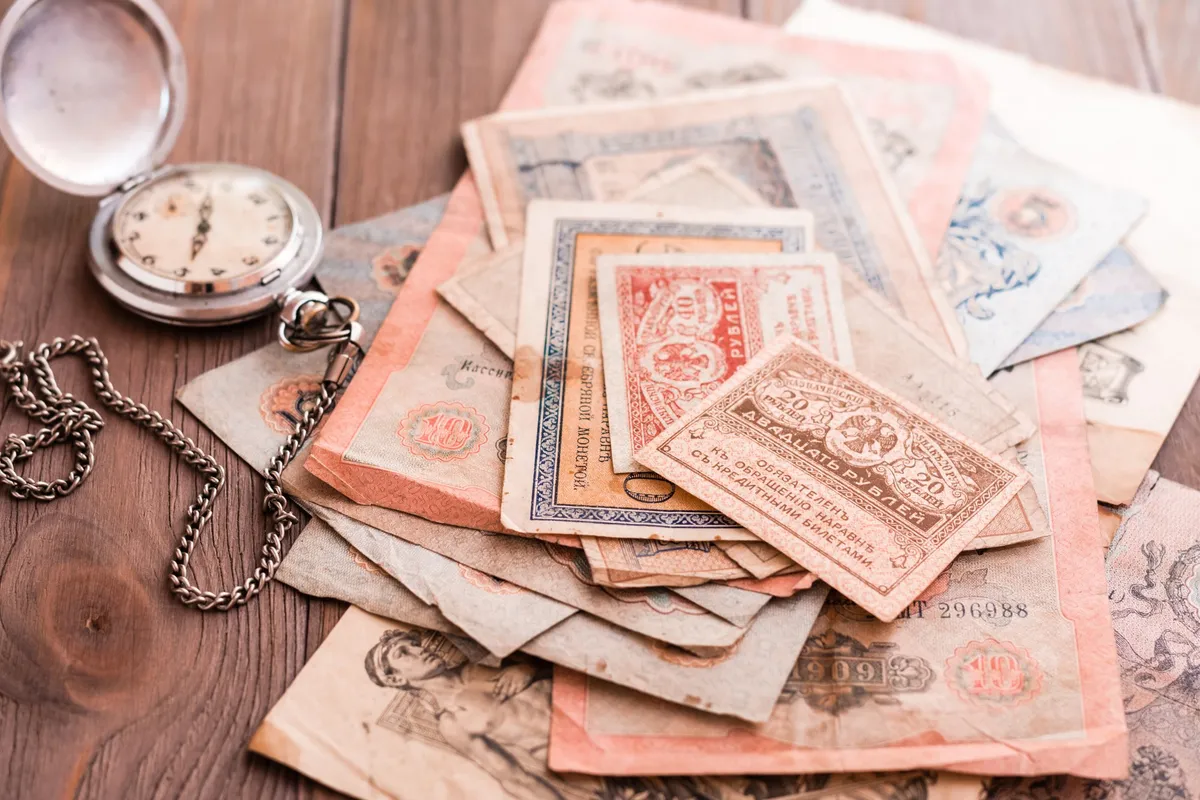
Walking into a currency dealer with a stack of old paper money tucked under your arm is more common in New York City than most people realize. Every week, New Yorkers looking to sell old US bills NYC discover that what they thought was just a curiosity from grandma’s attic is actually worth serious money, sometimes thousands of dollars more than face value. But getting that kind of return requires more than just showing up with a bill and hoping for the best. There’s a right way to do this, and knowing it before you walk through the door makes all the difference.
What’s Actually Sitting in That Old Envelope
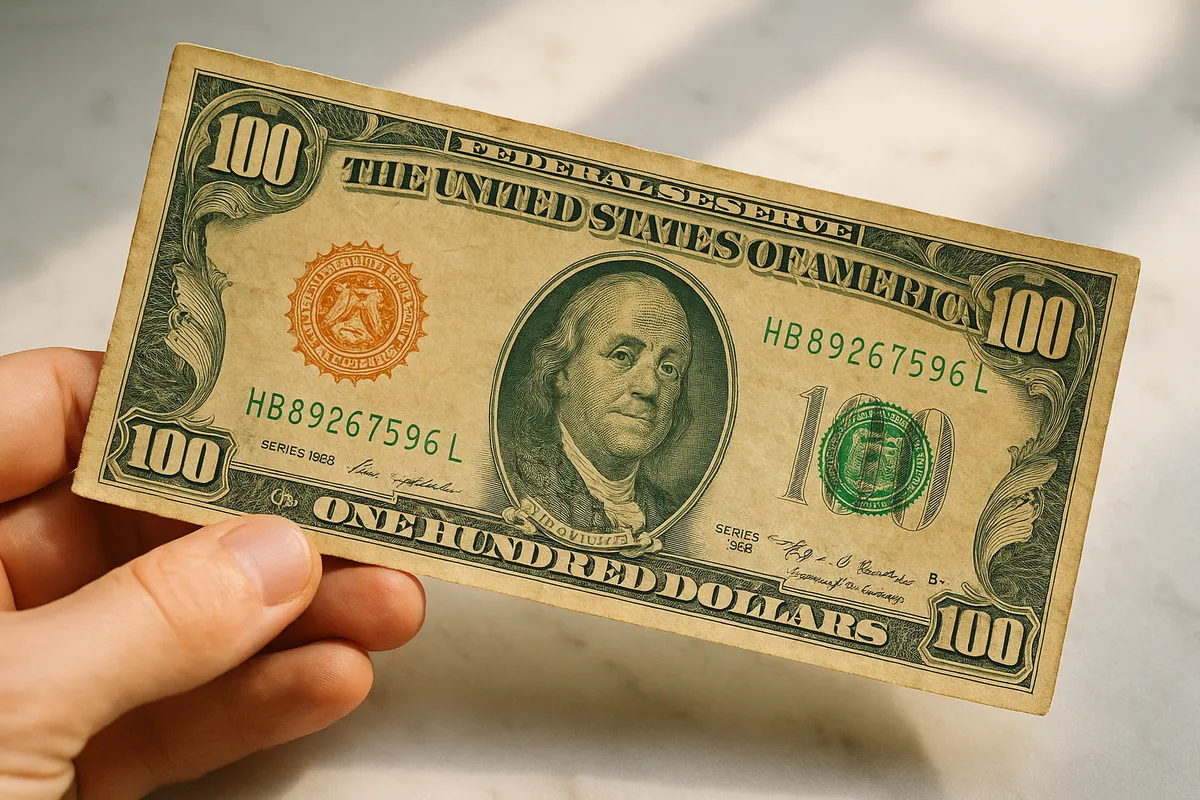
Most people have no idea what they’re holding. A $500 bill from the 1920s isn’t just a piece of old paper, it’s a collectible with a market value that can range from a few hundred dollars above face to well over $2,000 depending on condition, series year, and serial number. The same goes for $1,000 billswhich were last printed in 1945 and are now entirely out of circulation. Collectors and investors actively compete for these notes.
Before you assume your bill is either worthless or a jackpot, do a basic inventory. Look at the denomination, the series year printed near the portrait, and the condition of the note. Are the corners sharp or rounded? Is there any writing on it? Folds, tears, and stains all reduce value, but even a heavily circulated large-denomination note can still command a premium over face value. The point is, don’t guess. Get an expert opinion before you make any decisions.
The Mistakes That Cost People Real Money
One of the most common errors people make is cleaning a bill before bringing it in. It seems logical, a cleaner note should be worth more, right? Wrong. Washing, pressing, or treating currency almost always destroys the natural aging that collectors and graders look for. A bill that’s been tampered with, even with good intentions, can be downgraded significantly or flagged entirely. Leave it exactly as you found it.
Another costly mistake is selling too quickly through the wrong channel. Online auction platforms can work, but they come with fees, fraud risk, and the very real possibility that you’ll attract low-ball buyers who know you don’t know what you have. Pawn shops are even worse, they’re generalists, not specialists, and they price accordingly. If you’re holding a rare $500 bill or anything in the large-denomination category, you want someone who deals in this specific market every single day.
People who’ve worked with experienced currency dealers in the city often say the same thing afterward: they wish they’d come in sooner instead of spending weeks trying to figure it out on their own. The appraisal process at a reputable dealer is fast, transparent, and doesn’t obligate you to sell anything.
How Condition and Rarity Actually Drive the Price
Currency grading is its own science. Notes are evaluated on a scale from Poor (P-1) to Perfect Uncirculated (MS-70), and a single grade difference can shift the value dramatically. A $1,000 Federal Reserve Note graded Fine-12 might sell for $1,800. The same note in Very Fine-30 condition could fetch $3,500 or more. That gap exists because collectors are precise people, they pay for quality.
Rarity compounds everything. Certain series years, specific Federal Reserve Bank districts, and low serial numbers all add collector interest. Star notes, replacements printed when a standard note was damaged during production, carry a premium across almost every denomination. If your bill has a star symbol at the beginning or end of the serial number, pay attention to that detail when you’re getting it appraised.
For anyone holding higher-denomination notes, the pages on $5,000 bills and $10,000 bills are worth reviewing before you come in. These are among the rarest pieces of American currency still in private hands, and their values reflect that scarcity directly.
Why Working With a Local NYC Dealer Changes Everything
New York City has one of the most active numismatic markets in the country. Collectors here are serious buyers, dealers have deep networks, and competition for quality notes keeps offers honest. That environment benefits sellers directly, you’re not dealing with someone who sees old currency twice a year. You’re working with professionals who handle these transactions constantly and know exactly what the current market will bear.
Currency Dealer NYC has built its reputation on straightforward appraisals and fair offers, with years of experience evaluating everything from common large-denomination notes to genuinely rare pieces that most dealers have never seen in person. There’s no pressure, no guesswork, and no runaround. You bring the note in, get a real assessment, and decide what you want to do from there.
If you’re not sure whether what you have is worth pursuing, the FAQ page covers the most common questions about what qualifies as collectible currency and what the process looks like. It’s a good starting point before your first visit, and it’ll help you walk in with the right expectations rather than the wrong ones.
Old currency has a way of sitting in drawers and safe deposit boxes for decades while its value quietly climbs. The only way to know what you actually have is to get it in front of someone who can tell you the truth about it.
Frequently Asked Questions
I found a $500 bill from the 1920s in my grandfather’s things, is it actually worth more than $500?
Yes, a $500 bill from that era can be worth significantly more than face value, with market prices ranging from a few hundred dollars above face to well over $2,000 depending on the series year, condition, and serial number. The corners, folds, stains, and any writing on the note all factor into where it lands on that range. The only way to get a real number is to bring it to a currency dealer who works in this specific market, not a pawn shop or general antique buyer.
My old bill looks dirty, should I clean it up before bringing it in for an appraisal?
No, and this is one of the most expensive mistakes people make before coming in. Washing, pressing, or treating a note in any way destroys the natural aging that graders and collectors specifically look for, and a bill that’s been tampered with can be downgraded significantly or flagged entirely. Leave it exactly as you found it, even if it looks rough.
What’s a star note, and does it actually change what my bill is worth?
A star note is a replacement bill printed when a standard note was damaged during production, and you can identify one by a star symbol at the beginning or end of the serial number. These carry a premium across almost every denomination, so it’s a detail worth checking before you come in for an appraisal. If your bill has that star, mention it when you call ahead or walk in.
How much does a single grade difference actually affect what I’ll get paid for a $1,000 bill?
The gap can be substantial, a $1,000 Federal Reserve Note graded Fine-12 might sell for around $1,800, while the same note in Very Fine-30 condition could fetch $3,500 or more. That’s nearly double the value for what might look like a modest improvement in condition to an untrained eye. Currency grading is precise work, which is exactly why getting a professional assessment before you decide anything matters so much.
Am I obligated to sell if I bring my old bills in for an appraisal at a NYC currency dealer?
No, a reputable dealer will give you a straightforward assessment and let you decide what you want to do from there, with no pressure to sell on the spot. The appraisal process is described as fast and transparent, and it’s worth doing even if you’re just trying to understand what you have. A lot of people who come in unsure end up wishing they’d done it sooner rather than spending weeks trying to research it on their own.
Leave a Reply