
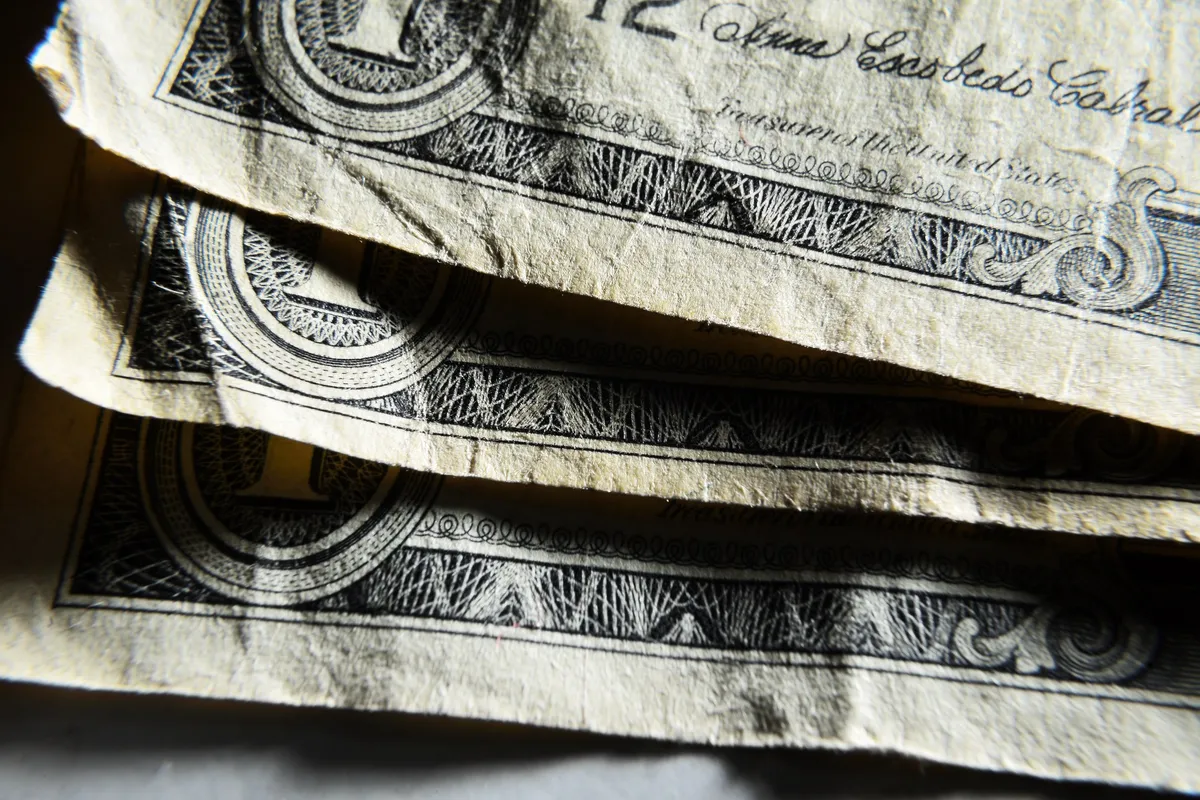
If you’ve recently inherited a stack of old currency or stumbled across some vintage paper money tucked inside a drawer, the idea to sell old US bills in NYC might have crossed your mind, but knowing where to start is a different story entirely. The market for antique American currency is more active than most people realize, and getting it right from the beginning can mean the difference between walking away satisfied and leaving serious money on the table.

Your Old Bills Are Not All Created Equal
This is the first thing new collectors and first-time sellers need to understand. A $20 bill from 1950 and a $20 bill from 1928 might look similar to an untrained eye, but they can carry wildly different values. Series dates, signatures of the Treasurer and Secretary of the Treasury, and the issuing Federal Reserve Bank all play a role in determining worth.
Large-denomination notes are where things get especially interesting. If you happen to have a high-value note sitting around, pages like information on $1,000 US bills or $500 US bills can give you a clearer picture of what the market currently looks like for those pieces. These aren’t just collector curiosities, they’re legitimate investments that serious buyers actively pursue.
Star notes, those with a small star symbol at the end of the serial number, are another category that surprises new sellers. They were printed as replacements for damaged notes during production, which makes them rarer and, in many cases, more valuable than standard printings of the same series.
Condition Is Everything, But It’s More Nuanced Than You Think
Most people assume that if a bill looks clean and unfolded, it must be in great shape. Professional graders don’t see it quite that way. Currency condition is evaluated on a detailed scale, from Poor all the way up to Gem Uncirculated, and even subtle differences like light handling marks, paper brightness, or the sharpness of corners can shift a bill’s grade by several points.
That grade shift matters financially. A note graded Fine might fetch a few hundred dollars, while the same note in Very Fine or Extremely Fine condition could command significantly more. At the top of the scale, a Gem Uncirculated example of a rare series can be worth multiples of what a circulated version brings.
Before you sell, resist the urge to clean your bills. It seems counterintuitive, but cleaning old currency almost always damages it in ways that are immediately obvious to experienced dealers. Chemical residue, surface abrasion, and unnatural sheen are red flags that reduce value rather than improve it. Leave the note exactly as you found it and let a professional assess it as-is.
Why Selling in NYC Gives You a Real Advantage
New York City has one of the most concentrated pools of serious currency collectors and dealers anywhere in the country. That matters because competition among buyers drives offers up. When you bring a desirable note to a knowledgeable dealer in this city, you’re not dealing with someone who handles currency once a month, you’re working with people who live and breathe this market daily.
Customers who have worked with established dealers in the city often come away noting how much more they received compared to what online auction estimates had suggested. That’s not a coincidence. A dealer who knows current demand and has active buyers for specific notes can often pay more than a general marketplace where your bill competes with thousands of other listings.
The team at Currency Dealer NYC has built a reputation precisely around this kind of specialized, hands-on expertise. Sellers consistently mention feeling like they were treated fairly and educated throughout the process, not rushed into a decision.
There’s also the matter of local history adding context to value. Certain notes issued through specific Federal Reserve Banks carry collector premiums that are tied to regional interest. If you want to understand how that history connects to what your bills might be worth, this piece on how local histories elevate the worth of old currency is worth reading before you walk in the door.
Getting the Most From Your First Sale
New sellers tend to make a handful of predictable mistakes. The most common one is accepting the first offer without shopping around or at least understanding the basis for that offer. A reputable dealer will always be willing to explain how they arrived at a number. If someone can’t or won’t do that, it’s a sign to keep looking.
Get your notes organized before any appointment. Know the denomination, look up the series year if you can, and note whether the bill has been folded, stored in a sleeve, or kept loose. That basic preparation signals to a dealer that you’re a serious seller, and it helps the evaluation move faster.
Bring everything you have, even if you’re unsure about certain pieces. Dealers who specialize in old American currency have seen notes that sellers thought were worthless turn out to be genuinely collectible. The reverse is also true, not every old bill is rare, but you won’t know until someone with real experience takes a look.
If you’re holding large-denomination notes specifically, it’s worth reviewing what buyers are currently paying. The $1,000 bill service page and the $500 bill service page lay out the process clearly and give you a realistic baseline before any conversation begins.
The old currency market rewards sellers who take a little time to learn the basics. You don’t need to become an expert, that’s what the dealer is for, but walking in with a working understanding of what you have puts you in a much stronger position from the very first conversation.
Frequently Asked Questions
How do I know if the series date on my old bill actually affects what it’s worth?
Series dates matter because they tell a dealer exactly which printing run a note came from, and some runs are far rarer than others, a $20 from 1928 and a $20 from 1950 can look nearly identical but carry very different prices. Beyond the date itself, the signatures of the Treasurer and Secretary of the Treasury printed on the bill also shift value, since certain signature combinations were only used briefly. If you can find the series year on your bill before meeting with a dealer, bring that information with you, it speeds up the evaluation considerably.
What exactly is a star note, and is it really worth more than a regular bill from the same year?
A star note has a small star symbol at the end of its serial number, which indicates it was printed as a replacement for a note that was damaged during the original production run. Because fewer replacement notes are printed compared to standard runs, they tend to be rarer, and rarer usually means more valuable to serious collectors. Not every star note commands a huge premium, but it’s a detail worth flagging to any dealer before they make an offer.
I found some old bills that look clean and crisp, does that mean they’ll grade well?
Not necessarily, because professional graders look at details most people overlook, including paper brightness, corner sharpness, and even light handling marks that don’t register as obvious damage to an untrained eye. The grading scale runs from Poor all the way up to Gem Uncirculated, and a few grade points in either direction can mean a significant difference in what a buyer will pay. The best thing you can do is leave the bills exactly as you found them and let a dealer assess them without any cleaning or handling on your part.
Why would a local NYC dealer pay more than what I’d get selling through an online auction?
A specialized dealer in the city works with active buyers every day and knows current demand for specific notes, which means they can often pay more than a general online marketplace where your bill sits alongside thousands of other listings. Online auction estimates also tend to reflect average sale prices, not what a motivated buyer with a specific want list will actually pay for the right note. The article points out that sellers who’ve worked with established NYC dealers have consistently come away with more than online estimates suggested.
Should I bring in bills I’m not sure about, or only the ones I think are valuable?
Bring everything, because dealers who specialize in old American currency regularly see notes that sellers assumed were worthless turn out to be genuinely collectible. The reverse is also true, not every old bill is rare, but you won’t have a clear answer either way until someone with real experience looks at the actual note. Getting everything evaluated in one appointment is more efficient than making multiple trips after you’ve already left something behind.
Leave a Reply