
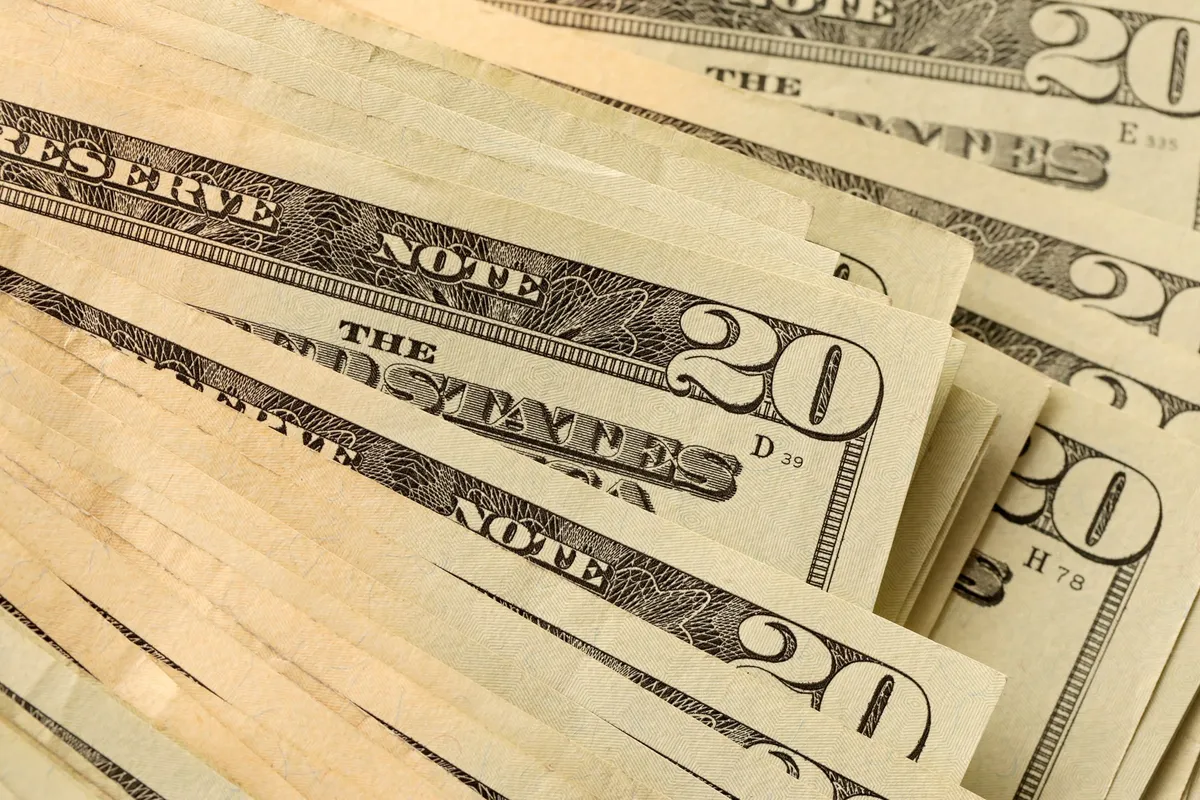
Most people have no idea what’s sitting in their desk drawers, old wallets, or inherited shoeboxes. If you’re thinking about where to sell old US bills in NYC, the single most important thing you can do before walking into any dealer’s office is take a hard look at what you actually have, because some of those bills might be worth dramatically more than their face value, and the reason often comes down to one thing: printing errors.

The Mistakes That Make Money
It sounds counterintuitive, but in the currency world, a mistake is often a goldmine. The Bureau of Engraving and Printing produces billions of notes every year, and occasionally, rarely, but it happens, something goes wrong on the press. Those errors slip through quality control and end up in circulation. Once collectors and dealers find them, the prices can be stunning.
The most sought-after error type is the mismatched serial number. Each bill carries two identical serial numbers printed on the face. If those numbers don’t match, you’re holding something genuinely unusual. Another high-value error is the inverted overprintwhere the Treasury seal or serial numbers are printed upside down relative to the portrait. These are rare enough that even dealers with decades of experience don’t see them often.
Then there’s the double denomination errora bill printed on paper that was already used for a different denomination. These are extraordinarily uncommon and can fetch thousands of dollars from the right buyer. If you think you might have one of these, don’t fold it, don’t clean it, and don’t assume it’s worthless just because it looks strange.
What to Look For Before You Leave the House
You don’t need to be an expert to do a basic visual inspection. Grab a magnifying glass and good lighting, and check for a few specific things.
Start with the serial numbers. Are both sets identical? Are the digits evenly spaced, or does something look off? A shifted or misaligned serial number, where the print drifts noticeably from its intended position, is a known error type that adds collector value.
Next, look at the seal and serial number color. On a standard Federal Reserve Note, these should match. If you see a bill where the seal appears in an unexpected color or seems to be printed over itself, that’s worth a second look from a professional.
Check the borders and margins. A legitimate printing error called a “cutting error” happens when the sheet isn’t trimmed correctly. Bills with dramatically uneven margins, where one side has almost no border and the other has an oversized one, are collectible. Some cutting errors are so severe that part of an adjacent bill appears on the note. Those are genuinely exciting finds.
Also look at the paper itself. Ink smears, foldovers (where the paper folded during printing and created a blank patch), and missing print sections all qualify as errors. A blank back, where the reverse side of the bill printed with no ink whatsoever, is one of the most dramatic and valuable errors you can find.
For more background on what makes certain notes stand out from the rest, this guide on what makes vintage currency valuable is worth reading before you make any decisions.

Don’t Confuse Damage With Errors
This is where a lot of people make a costly mistake. Wear, tears, water stains, and fading are damage, they reduce value. A printing error is something that happened at the source, during manufacturing, before the bill ever left the facility. The distinction matters enormously when it comes to pricing.
A bill with a genuine misprint that’s also in poor condition will still sell for more than face value, but nowhere near what a crisp, uncirculated version of the same error would bring. Condition and rarity work together. If you have an error note that’s also in excellent shape, you may be sitting on something significant.
Many people who’ve brought notes into Currency Dealer NYC have been genuinely surprised, they came in expecting to get a few dollars over face value and left with offers they hadn’t anticipated. That reaction isn’t unusual. Most people simply don’t know what they have until someone with real experience looks at it.
When to Get a Professional Opinion
If anything about your bill looks unusual, and especially if it’s an older note from the mid-20th century or earlier, get it in front of a specialist before you do anything else. Don’t press it flat. Don’t put it in a plastic sleeve that could cause chemical damage. And definitely don’t try to clean it.
High-denomination notes from discontinued series deserve particular attention. If you have something like a large-format bill or a note from a discontinued series, resources like the pages on selling $500 US bills or selling $1,000 US bills can give you a clearer sense of what the market looks like right now.
The bottom line is simple: an error note in the wrong hands, sold too quickly, to the wrong buyer, without proper identification, is money left on the table. Take the time to look carefully, do a little research, and then bring what you have to someone who can tell you exactly what it’s worth.
Frequently Asked Questions
How do I tell the difference between a printing error and just regular wear on an old bill?
A printing error happened at the source, during manufacturing, before the bill ever left the facility, so it shows up as something structurally wrong with the print itself, like mismatched serial numbers, an upside-down seal, or a blank reverse side. Damage like water stains, tears, and fading happened after the bill was in circulation and actually reduces value rather than adding to it. The distinction matters a lot when a dealer prices your note, so if something looks off but you’re not sure which category it falls into, that’s exactly when you need a professional opinion.
What’s the most valuable type of error I should be looking for in my old bills?
According to dealers who work with these notes regularly, mismatched serial numbers, where the two serial numbers printed on the face of the bill don’t match each other, are among the most sought-after errors you can find. Double denomination errors, where a bill was printed on paper already used for a different denomination, are even rarer and can fetch thousands of dollars from the right buyer. Inverted overprints, where the Treasury seal or serial numbers appear upside down, are also high-value finds that even experienced dealers don’t come across often.
Can I do a basic check at home before bringing my bills to a dealer in NYC?
Yes, a magnifying glass and good lighting are enough to do a useful first pass. Check that both serial numbers on the face are identical and evenly spaced, look at the margins to see if the trimming is dramatically uneven, and examine the paper itself for ink smears, blank patches, or areas where the print is missing entirely. You’re not trying to make a final call yourself; you’re just flagging anything unusual before you walk in so you know what questions to ask.
Does the condition of an error bill actually affect what I’ll be offered for it?
It does, significantly, condition and rarity work together when a dealer prices an error note. A bill with a genuine misprint that’s also in poor condition will still sell for more than face value, but a crisp, uncirculated version of the same error can bring a dramatically higher offer. That’s why the article specifically warns against pressing the bill flat, putting it in the wrong type of sleeve, or attempting to clean it before getting it evaluated.
Are cutting errors, bills with uneven margins, actually worth something, or are they just curiosities?
Cutting errors are a recognized and collectible error type, not just oddities, they happen when the sheet isn’t trimmed correctly during production, leaving one side with almost no border and the other with an oversized one. The most dramatic examples, where part of an adjacent bill actually appears on the note, are considered genuinely exciting finds by collectors. If you have one of these, the same rule applies as with any error: don’t fold it, don’t try to fix it, and get it in front of someone with real experience before making any decisions.
Leave a Reply