
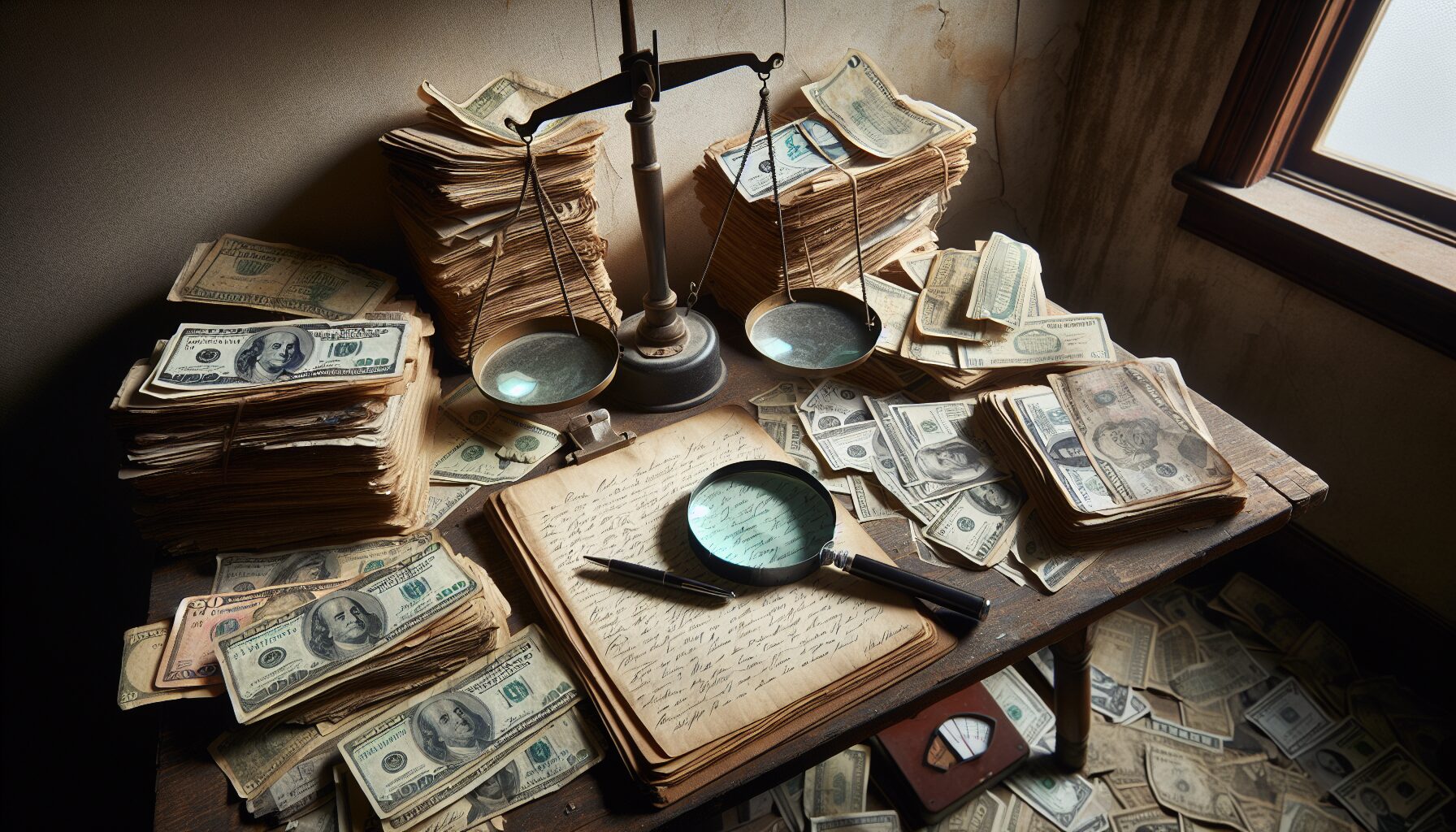
Sell Old Us Bills: Discover Hidden Value in Your Currency Collection
That dusty shoebox in your closet might be worth more than you think. If you’re looking to sell old US bills in NYC, you’re sitting on potential treasure—but only if you know what you’re doing. Most people assume their inherited currency is just face value, maybe a few dollars more if they’re lucky. The reality? Some bills can fetch hundreds or even thousands of dollars from the right buyer. The difference between walking away with $50 and $5,000 often comes down to understanding what makes certain bills valuable and finding someone who actually knows what they’re looking at.
Why Your Grandmother’s Bills Might Be Worth a Fortune
Not all currency is created equal. The bills tucked away in your attic could range from common pocket change to genuine rarities that collectors actively hunt for. What separates the valuable from the mundane? Several factors come into play, and understanding them can mean the difference between giving away a goldmine and getting what your collection truly deserves.
Serial numbers matter more than most people realize. Low numbers, repeating digits, or “fancy” patterns like ladders (12345678) or radars (reads the same forwards and backwards) can multiply a bill’s value significantly. A $1 bill with a particularly desirable serial number might sell for $500 or more to the right collector.
Condition is everything in the currency world. A crisp, uncirculated bill can be worth ten times what the same bill in worn condition fetches. We’re talking about the difference between creases, folds, stains, and tears versus a bill that looks like it just rolled off the printing press yesterday. Professional dealers grade currency on a precise scale, and even small differences in condition translate to substantial price variations.
The year and series designation on your bills tells an important story. Certain years had lower print runs, making them scarcer. Others coincide with historical events or design changes that make them particularly desirable. A $500 bill from specific series can command premium prices, especially if it’s in excellent condition.
The Mistakes That Cost Sellers Thousands
Here’s where most people go wrong: they walk into the first place that says “We Buy Currency” and accept whatever offer comes their way. That’s like selling your grandmother’s diamond ring to a pawn shop without getting it appraised first. You might get something, but you’re almost certainly leaving money on the table.
The biggest mistake? Not doing basic research before approaching a buyer. Spend thirty minutes online looking at recent auction results for bills similar to yours. Check multiple sources. Understand the range of what your currency might be worth. Knowledge is leverage in any negotiation, and currency dealing is no exception.
Another common error is cleaning or “restoring” bills before selling them. What seems like helpfulness—removing a stain, pressing out a crease—can actually destroy value. Professional collectors and dealers can spot attempted restoration immediately, and it raises red flags about authenticity and handling. Leave your bills exactly as you found them.
Many sellers also fail to recognize the value of having multiple bills together. A consecutive serial number run, even of common bills, can be worth significantly more than the individual pieces. Breaking up a set to sell bills separately is like tearing pages out of a first edition book—you’ve just destroyed something more valuable than its parts.
What Actually Determines Fair Market Value
Understanding how dealers and collectors price currency helps you evaluate offers intelligently. The market for historical bills isn’t arbitrary—it follows specific principles that have developed over decades of collecting.
Rarity drives value, but not in the way most people think. A bill doesn’t have to be ancient to be rare. Some relatively recent issues had limited print runs or were quickly pulled from circulation due to design flaws or security concerns. These modern rarities can be worth more than much older common bills.
Demand matters as much as scarcity. Large denomination bills like $500, $1,000, and higher attract serious collector interest regardless of condition, simply because they’re no longer printed. The combination of historical significance and investment potential creates a robust market.
Authentication plays a crucial role in valuation. Professional dealers use specialized equipment and decades of experience to verify authenticity. They examine paper quality, printing techniques, serial number fonts, and dozens of other details that separate genuine bills from counterfeits or altered notes. This expertise protects both buyers and sellers, ensuring transactions involve legitimate currency.
The local market in New York City offers unique advantages for sellers. The concentration of serious collectors, dealers, and financial professionals creates competitive pricing that benefits sellers. A reputable currency dealer in Manhattan sees enough volume to make fair offers on everything from common collectibles to museum-quality rarities.
Getting the Best Deal: What Experienced Sellers Know
Professional currency dealers in NYC have seen it all—from shoeboxes of mixed bills to carefully curated collections worth six figures. The sellers who walk away happiest share certain approaches to the transaction.
Timing can influence offers, particularly for investment-grade pieces. The currency market, like any collectibles market, experiences cycles of higher and lower demand. While you shouldn’t wait indefinitely for the “perfect” moment, understanding current market conditions helps you evaluate whether an offer reflects fair value.
Documentation adds value. If you have provenance—information about where the bills came from, how long they’ve been in your family, or any historical context—bring it along. A bill that came from a bank president’s collection or was saved from a specific historical event can command a premium over an identical bill with no story.
Multiple opinions make sense for significant collections. Just as you’d get multiple estimates for major home repairs, consulting more than one dealer for valuable currency ensures you understand the true market range. Reputable dealers won’t be offended—they expect informed sellers to do their homework.
The relationship between seller and dealer matters more than many realize. Experienced dealers in the financial district have built reputations over decades. They know that fair dealing today means repeat business tomorrow, whether from you returning with more finds or referring friends and family. This long-term perspective benefits sellers who choose established, reputable buyers.
Whether you’re liquidating an inherited collection or finally cashing in bills you’ve held for years, understanding the market puts you in control. The difference between a disappointing transaction and a genuinely rewarding one often comes down to working with someone who values both the currency and the relationship. In a city full of options, that combination of expertise and integrity makes all the difference.
Leave a Reply